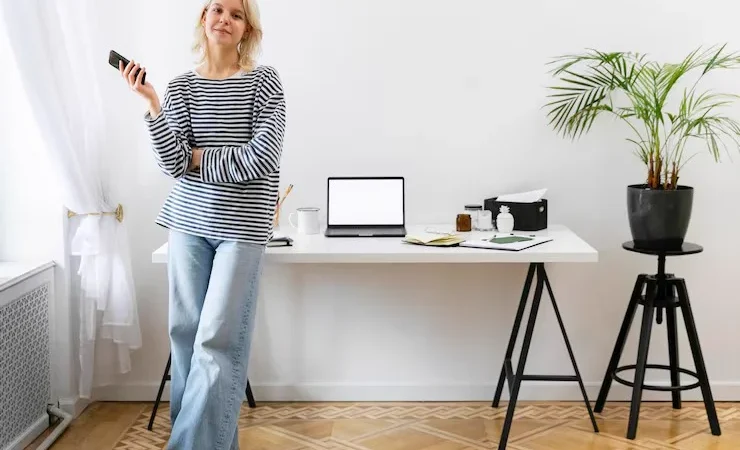
Do you ever feel a creeping sense of overwhelm when you look around your home, a space that should be your sanctuary but often feels more like a storage unit? The truth is, clutter isn’t just a physical presence; it’s a mental burden, a silent thief of peace and productivity. Imagine walking into a home where everything has its place, where serenity reigns, and where you can truly relax and recharge. It’s not a fantasy reserved for magazine covers; it’s an achievable reality. This guide will equip you with easy, actionable strategies to transform your living space from chaotic to calm, making decluttering not a daunting chore, but a liberating journey.
The Psychology of Clutter: Why It Matters More Than You Think
Before diving into the ‘how,’ let’s understand the ‘why.’ Clutter is more than just unsightly; it actively impacts your well-being. Studies show that a cluttered environment can increase stress hormones, diminish focus, and even lead to feelings of guilt and anxiety. When your surroundings are messy, your mind often follows suit, making decision-making harder and creativity elusive. Conversely, a clean and organized space promotes mental clarity, reduces stress, and boosts overall mood, creating a positive feedback loop that enhances all aspects of your life.
Foundational Decluttering Principles: Your Guiding Stars
Embarking on a decluttering journey requires a few core principles to keep you on track. These aren’t rigid rules but flexible guidelines designed to make the process smoother and more effective.
The “One Year Rule” (or “Six Months Rule”)
- Concept: If you haven’t used an item in the past year (or six months for clothes/seasonal items), it’s a strong candidate for removal.
- Application: Hold up that forgotten gadget or unworn sweater. Ask yourself honestly: “Have I used this in the last 12 months? Will I genuinely use it in the next 12 months?” Be ruthless but fair. This rule helps you identify items that are taking up valuable space without providing current value.
- Example: That bread maker you used once in 2018? Unless you’ve suddenly become an avid baker, it’s time to let it go.
The “One In, One Out” Policy
- Concept: For every new item that enters your home, one similar item must leave.
- Application: This principle prevents new clutter from accumulating. Bought a new pair of shoes? Donate an old pair. Purchased a new book? Select one from your shelf to give away.
- Benefit: It forces mindful consumption and ensures your belongings don’t continuously expand beyond your available space.
Categorize Before You Organize
- Concept: Group all similar items together before attempting to organize them.
- Application: Instead of tackling a single drawer, pull out all your pens from every drawer, all your batteries from every cabinet, all your t-shirts from every closet. Seeing the sheer volume of what you own in one category can be eye-opening and helps you make better decisions about what to keep.
- Scenario: You might think you only have a few pens, but gather them all and you might find 50! This makes it easier to select your favorites and discard the rest.
Room-by-Room Decluttering: Targeted Strategies
Breaking down the task by room makes it less overwhelming. Here’s how to approach common areas:
The Kitchen: Culinary Chaos to Calm
- Pantry: Empty everything out. Check expiration dates. Group similar foods. Use clear containers for staples.
- Utensils & Gadgets: Keep only what you use regularly. If you have three spatulas, keep the best one or two. That niche gadget used once a year? Consider if it’s worth the space.
- Appliances: Store everyday appliances (toaster, coffee maker) on counters. Less frequently used ones (blender, food processor) should have a designated, easily accessible cabinet.
The Bedroom: Sanctuary or Storage Unit?
- Wardrobe: Employ the “hanger trick” – turn all hangers facing one way. After wearing an item, turn the hanger the other way. After six months, anything still on the original hanger is a candidate for donation.
- Nightstands & Dressers: Keep surfaces clear. Only essential items (lamp, book, glasses) should remain. Use drawer dividers for small items like socks and underwear.
- Under the Bed: Utilize under-bed storage bins for seasonal clothing or extra linens, but avoid turning it into a black hole of forgotten items.
The Living Room: Inviting Space, Not a Dumping Ground
- Books & Media: Curate your collection. Keep only books you love, reference often, or plan to read soon. Digitize CDs/DVDs if possible.
- Decorative Items: Less is often more. Choose a few meaningful pieces rather than many small knick-knacks that collect dust. Rotate them seasonally for a fresh look.
- Remote Controls: Use a designated tray or box to keep them together.
The Bathroom: Essentials Only Zone
- Toiletries: Get rid of expired makeup, lotions, and half-empty bottles of shampoo. Keep only what you actively use.
- Medicines: Check expiration dates ruthlessly. Dispose of old medications safely.
- Linens: Keep 2-3 sets of towels per person, and maybe one extra set for guests.
Tackling Specific Clutter Hotspots
Some types of clutter require specific strategies due to their unique nature.
Paper Piles: Taming the Administrative Beast
- Mail: Process immediately. Junk mail goes straight to recycling. Bills get paid or filed.
- Documents: Create a simple filing system (e.g., “Action,” “To File,” “Archived”). Consider digitizing important documents and backing them up to the cloud.
- Kids’ Artwork/School Papers: Keep a select few favorites and photograph the rest.
Digital Clutter: The Unseen Mess
- Emails: Unsubscribe from unnecessary newsletters. Create folders for important emails. Aim for Inbox Zero daily or weekly.
- Files & Photos: Delete duplicates and blurry photos. Organize files into logical folders on your computer and cloud storage. Regularly back up important data.
- Desktop: Keep your computer desktop as clear as your physical one.
Maintaining Your Decluttered Haven: Long-Term Success
Decluttering isn’t a one-time event; it’s an ongoing practice. These habits will help you maintain your organized home.
The Daily 15-Minute Tidy
Set a timer for 15 minutes each day. During this time, put things back in their designated spots, wipe down surfaces, and reset a room. This small, consistent effort prevents clutter from piling up again.
Regular Purges (Seasonal, Annual)
Schedule a larger decluttering session seasonally or annually. This is a chance to re-evaluate items, especially clothing, holiday decorations, and hobby supplies, ensuring they still serve a purpose.
Designated Homes for Everything
The golden rule of organization: every single item in your home needs a “home.” If something doesn’t have a specific place, it will inevitably become clutter. Invest in simple storage solutions like bins, baskets, and drawer dividers to create these homes.
Embracing these easy decluttering strategies is more than just tidying up; it’s about reclaiming your space, your time, and your peace of mind. Start small, be consistent, and celebrate each little victory. Your organized, serene home awaits!