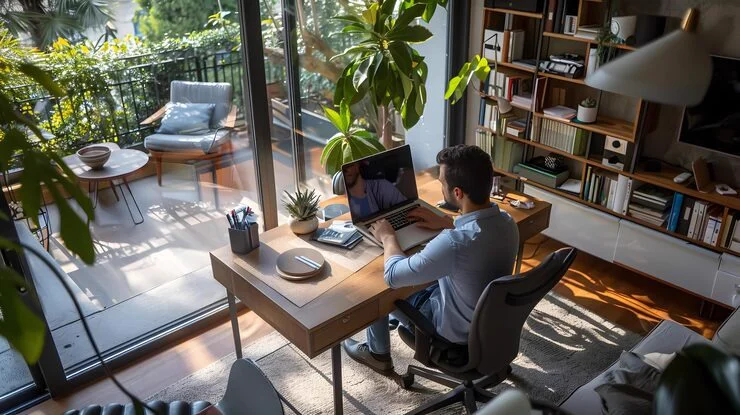
Are you constantly battling distractions, struggling to focus, or feeling the lines between work and personal life blur while working from home? The dream of ultimate flexibility can quickly turn into a productivity nightmare if your workspace isn’t optimized for success. It’s not just about having a laptop; it’s about crafting an environment that fosters concentration, comfort, and efficiency. As an expert in remote work dynamics, I’m here to guide you through transforming your home office into a powerhouse of productivity, ensuring every element supports your best work.
The Foundation: Ergonomics and Comfort
Your physical well-being is paramount. A poorly set up workspace can lead to discomfort, pain, and long-term health issues, directly impacting your focus and output. Investing in ergonomics isn’t a luxury; it’s a necessity for sustained productivity.
Invest in a Quality Chair
This is arguably the most critical piece of your setup. A good ergonomic chair supports the natural curve of your spine, encourages proper posture, and reduces pressure points. Look for features like:
- Adjustable Height: Your feet should be flat on the floor or a footrest, with knees at a 90-degree angle.
- Lumbar Support: Crucial for maintaining the natural inward curve of your lower back.
- Armrests: Adjustable armrests allow your shoulders to relax, reducing strain on your neck and upper back.
- Seat Depth and Tilt: Ensure there’s a few inches between the front of the seat and the back of your knees.
Scenario: Imagine trying to concentrate on a complex report while constantly shifting in an uncomfortable dining chair. The distraction of discomfort alone can halve your productivity. A proper office chair allows you to sit for extended periods without fatigue, keeping your mind on your tasks.
Desk Height and Monitor Placement
Your desk and monitor setup directly affects your posture and eye strain.
- Desk Height: Your forearms should be parallel to the floor when typing, with your elbows at a 90-100 degree angle. Standing desks offer excellent flexibility, allowing you to alternate between sitting and standing throughout the day, which can significantly boost energy and reduce sedentary risks.
- Monitor Placement: Position your monitor at arm’s length. The top of the screen should be at or slightly below eye level. If using multiple monitors, place your primary screen directly in front of you, with secondary screens angled for easy viewing. This prevents neck craning and eye fatigue.
Keyboard and Mouse Ergonomics
Small details make a big difference. An ergonomic keyboard and mouse can prevent repetitive strain injuries (RSIs).
- Keyboard: Opt for a keyboard that allows your wrists to remain straight. Some prefer split or curved designs. Position it close to your body to avoid reaching.
- Mouse: A vertical mouse or one with a comfortable grip can reduce wrist pronation. Ensure your mouse is close enough that you don’t overextend your arm.
The Tech Arsenal: Powering Your Productivity
Your tools are only as good as their reliability and efficiency. Don’t let technical glitches derail your workday.
Reliable Internet Connection
This is non-negotiable. Slow or intermittent internet is a constant source of frustration and lost time. Invest in the fastest, most stable connection you can afford. Consider a backup hotspot or a wired Ethernet connection for critical tasks, especially during video calls or large file transfers.
Dual Monitors (or more!)
Once you try a multi-monitor setup, you’ll wonder how you ever managed without it. Studies show dual monitors can increase productivity by 20-30% for many tasks. They allow you to:
- Reference documents on one screen while working on another.
- Keep communication tools open without minimizing your main work application.
- Organize your digital workspace more efficiently.
High-Quality Audio/Video Gear
Remote work often means video conferences. A good webcam and microphone ensure you present yourself professionally and communicate clearly.
- Webcam: Built-in laptop cameras are often adequate, but an external 1080p or 4K webcam offers superior image quality.
- Microphone: A dedicated USB microphone or a good quality headset drastically improves audio clarity, reducing background noise and making you sound professional.
- Headphones: Noise-canceling headphones are a lifesaver for focus, especially in shared living spaces or noisy environments.
Essential Software and Cloud Tools
Beyond the hardware, your software stack needs to be robust.
- Project Management Tools: (e.g., Asana, Trello, Jira) for tracking tasks and collaborating.
- Communication Platforms: (e.g., Slack, Microsoft Teams, Zoom) for seamless team interaction.
- Cloud Storage: (e.g., Google Drive, Dropbox, OneDrive) for secure access to files from anywhere and easy sharing.
- Time Management Apps: (e.g., Pomodoro timers, focus apps) to help structure your day and prevent procrastination.
Optimizing Your Environment: Beyond the Gear
Your physical surroundings play a huge psychological role in your ability to focus and feel motivated.
Lighting Matters
Natural light is best. Position your desk near a window if possible, but avoid direct glare on your screen. If natural light is limited, invest in good artificial lighting. A desk lamp with adjustable brightness and color temperature can reduce eye strain and improve mood.
Minimize Distractions
Identify your common distractions and mitigate them:
- Sound: Use noise-canceling headphones, play ambient music, or consider a white noise machine.
- Visual: Keep your workspace tidy. Clutter creates mental clutter. A simple, minimalist setup can improve focus.
- People/Pets: Communicate your work hours to housemates/family. A simple “Do Not Disturb” sign on your door can be surprisingly effective.
Personalize Your Space
While minimalism aids focus, a sterile environment can be demotivating. Add elements that inspire you:
- Plants: Improve air quality and add a touch of nature.
- Art/Photos: Display items that bring you joy or remind you of your goals.
- Scent: An essential oil diffuser with invigorating scents like peppermint or citrus can boost alertness.
The Power of Organization
A tidy desk leads to a clear mind. Implement a system for files, cables, and supplies.
| Area | Tip for Organization |
|---|---|
| Cables | Use cable ties, sleeves, or a cable management box to keep them tidy and out of sight. |
| Documents | Utilize digital storage primarily; for physical documents, use folders and a small filing system. |
| Supplies | Desk organizers, pen holders, and small drawers keep essentials within reach but off the main workspace. |
Establishing Boundaries and Routines
A great setup isn’t just about physical objects; it’s about the habits they enable.
Designate a Dedicated Workspace
Even if it’s a corner of a room, having a specific area solely for work helps your brain switch into “work mode” when you sit down and “off mode” when you leave. This mental separation is crucial for work-life balance.
The Importance of Breaks
Your setup should encourage movement. Stand up, stretch, walk away from your desk. The Pomodoro Technique (25 minutes work, 5 minutes break) is excellent for maintaining focus and preventing burnout. Use your breaks to step away from screens and move your body.
End-of-Day Rituals
Just as you have a morning routine, establish an end-of-day ritual to signal to your brain that work is over. This could involve tidying your desk, reviewing your to-do list for tomorrow, or physically closing your laptop. This helps prevent work thoughts from spilling into your personal time, ensuring you recharge effectively for the next day.
Transforming your work-from-home setup is an ongoing process, but by focusing on ergonomics, reliable technology, an inspiring environment, and healthy routines, you’ll create a powerful foundation for unparalleled productivity and job satisfaction. Your optimal workspace isn’t a luxury; it’s your secret weapon for success in the remote world.