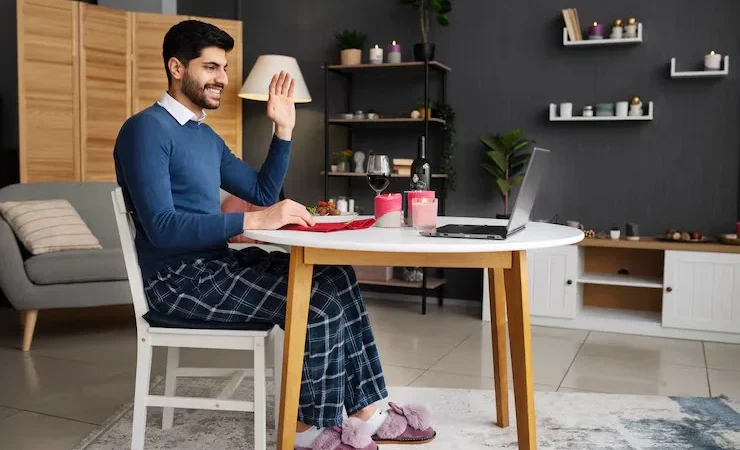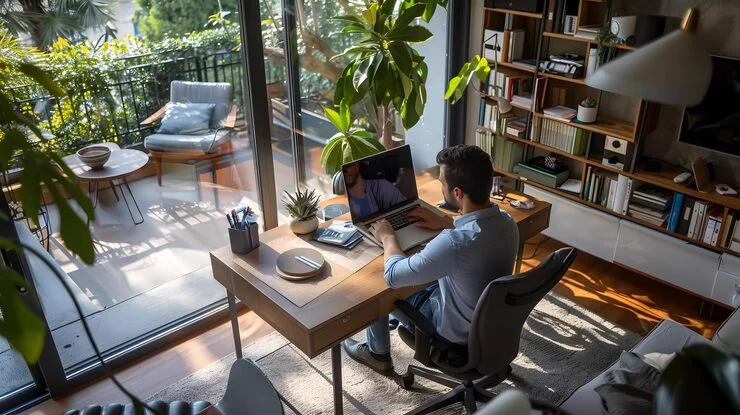
Te-ai întrebat vreodată cum ar fi să te descurci într-o casă din Marea Britanie sau America, fără să știi denumirile obiectelor de zi cu zi? Imaginează-ți că trebuie să ceri o lingură, să găsești telecomanda sau să spui că ai nevoie de detergent, dar cuvintele pur și simplu nu-ți vin în minte. Nu-i așa că ar fi frustrant? Ei bine, nu-ți face griji! Ca profesorul vostru de limba engleză, sunt aici să vă ghidez printr-un vocabular esențial care vă va transforma casa într-un adevărat laborator de învățare a limbii engleze. Fiecare colțișor al locuinței tale poate deveni o oportunitate de a-ți îmbunătăți fluența și încrederea în limba engleză. Pregătește-te să descoperi lumea obiectelor casnice în engleză, de la cele mai simple până la cele mai complexe, și să le integrezi în vocabularul tău activ!
Obiecte Casnice în Engleză: Ghidul Tău Complet pentru Acasă
Ustensile și aparate de bucătărie în engleză
Bucătăria este inima oricărei case, iar cunoașterea vocabularului specific este crucială. Iată o listă cu cele mai comune obiecte pe care le vei întâlni:
- Spoon (lingură) – „Can you pass me a spoon, please?”
- Fork (furculiță) – „I need a fork for my salad.”
- Knife (cuțit) – „Be careful with that sharp knife.”
- Plate (farfurie) – „Please put your plate in the dishwasher.”
- Bowl (bol) – „I’ll have some soup in this bowl.”
- Cup (ceașcă, de obicei pentru ceai) – „Would you like a cup of tea?”
- Mug (cana, de obicei pentru cafea) – „My favourite mug is dirty.”
- Glass (pahar) – „Fill this glass with water.”
- Pot (oală) – „The pasta is boiling in the pot.”
- Pan (tigaie) – „Fry the eggs in a non-stick pan.”
- Kettle (ibric electric/fierbător) – „The kettle is whistling, the water is ready.”
- Toaster (prăjitor de pâine) – „I’ll make some toast in the toaster.”
- Microwave (cuptor cu microunde) – „Heat up the leftovers in the microwave.”
- Oven (cuptor) – „The cake is baking in the oven.”
- Fridge / Refrigerator (frigider) – „Put the milk back in the fridge.”
- Freezer (congelator) – „There’s some ice cream in the freezer.”
- Dishwasher (mașină de spălat vase) – „Load the dishwasher after dinner.”
- Blender (blender) – „I’m making a smoothie with the blender.”
- Coffee machine (aparat de cafea) – „The coffee machine just finished brewing.”
- Cutting board (tocător) – „Chop the vegetables on the cutting board.”
- Spatula (spatulă) – „Flip the pancakes with a spatula.”
- Ladle (polonic) – „Serve the soup with a ladle.”
- Whisk (tel) – „Whisk the eggs until they’re fluffy.”
Materialele de curățenie în engleză
Menținerea curățeniei este o parte importantă a vieții de zi cu zi. Iată ce termeni te vor ajuta să descrii acțiunile și obiectele folosite pentru curățenie:
- Soap (săpun) – „Wash your hands with soap and water.”
- Detergent (detergent, generic) – „We need to buy more laundry detergent.”
- Sponge (burete) – „Clean the counter with a sponge.”
- Brush (perie) – „Use a brush to scrub the floor.”
- Broom (mătură) – „Sweep the kitchen floor with a broom.”
- Dustpan (făraș) – „Gather the dirt with the dustpan.”
- Mop (mop) – „I need to mop the bathroom floor.”
- Bucket (găleată) – „Fill the bucket with soapy water.”
- Vacuum cleaner (aspirator) – „The vacuum cleaner is very powerful.”
- Cleaning spray (spray de curățenie) – „Spray the window with the cleaning spray.”
- Disinfectant (dezinfectant) – „Use disinfectant to kill germs.”
- Window cleaner (soluție de curățat geamuri) – „The window cleaner makes the glass sparkle.”
- Laundry detergent (detergent de rufe) – „Don’t forget to add laundry detergent to the machine.”
- Fabric softener (balsam de rufe) – „Fabric softener makes clothes smell fresh.”
Obiecte decorative și de ornament în engleză
Aceste obiecte aduc personalitate și stil casei noastre. Iată cum le poți denumi în engleză:
- Painting (tablou pictat) – „That painting is a beautiful landscape.”
- Picture (poza, imagine) – „We have a family picture on the wall.”
- Frame (ramă) – „The picture is in a silver frame.”
- Vase (vază) – „Put the flowers in the vase.”
- Candle (lumânare) – „Light a candle for a cozy atmosphere.”
- Clock (ceas, de perete/masă) – „The clock on the wall says it’s noon.”
- Mirror (oglindă) – „Look at yourself in the mirror.”
- Rug (covoraș, preș) – „There’s a soft rug in front of the fireplace.”
- Carpet (covor mare, mochetă) – „The living room has a thick carpet.”
- Cushion / Pillow (pernă decorativă / pernă de dormit) – „Fluff up the cushions on the sofa.”
- Curtain (perdea) – „Draw the curtains to block out the light.”
- Lamp (lampă) – „Turn on the lamp; it’s getting dark.”
- Figurine (figurina) – „She collects porcelain figurines.”
- Sculpture (sculptură) – „There’s a modern sculpture in the hallway.”
Mobilierul și Camerele Casei
Să explorăm și cum se numesc piesele de mobilier și camerele în care le găsim:
Living Room (Sufragerie / Camera de zi)
- Sofa / Couch (canapea) – „Relax on the sofa after work.”
- Armchair (fotoliu) – „He’s reading in his favourite armchair.”
- Coffee table (măsuță de cafea) – „Put your cup on the coffee table.”
- TV / Television (televizor) – „Let’s watch a movie on TV.”
- Bookshelf (bibliotecă / raft de cărți) – „My bookshelf is full of novels.”
- Fireplace (șemineu) – „The fire in the fireplace is warm.”
Bedroom (Dormitor)
- Bed (pat) – „I’m going to sleep in my comfy bed.”
- Wardrobe / Closet (dulap de haine) – „My clothes are in the wardrobe.”
- Nightstand / Bedside table (noptieră) – „There’s a book on the nightstand.”
- Dresser / Chest of drawers (comodă cu sertare) – „Keep your socks in the dresser.”
Bathroom (Baie)
- Toilet (toaletă) – „Flush the toilet after use.”
- Sink (chiuvetă) – „Wash your face at the sink.”
- Shower (duș) – „I take a shower every morning.”
- Bathtub / Tub (cadă) – „She enjoys a long bath in the bathtub.”
- Towel rack (suport de prosoape) – „Hang your towel on the towel rack.”
Verbe Utile pentru Obiectele Casnice
Nu este suficient să cunoști doar substantivul; trebuie să știi și ce acțiuni poți face cu ele. Iată câteva verbe esențiale:
- To clean (a curăța) – „I need to clean the kitchen.”
- To wash (a spăla) – „Please wash the dishes.”
- To dry (a usca) – „Dry the clothes on the line.”
- To cook (a găti) – „What are you cooking for dinner?”
- To bake (a coace) – „She loves to bake cakes.”
- To fry (a prăji) – „Fry the onions until they’re golden.”
- To boil (a fierbe) – „Boil some water for tea.”
- To tidy up / To clean up (a face ordine / a curăța) – „Let’s tidy up the living room.”
- To dust (a șterge praful) – „Don’t forget to dust the shelves.”
- To vacuum (a aspira) – „I vacuum the carpets once a week.”
- To set the table (a aranja masa) – „Can you help me set the table?”
- To clear the table (a strânge masa) – „It’s time to clear the table after eating.”
- To open (a deschide) – „Open the window, please.”
- To close / To shut (a închide) – „Close the door gently.”
Exerciții Practice și Fraze Uzuale
Cea mai bună modalitate de a învăța este prin practică! Iată câteva sugestii:
- Etichetează-ți obiectele: Scrie denumirea în engleză pe post-it-uri și lipește-le pe obiectele din casă. Vei învăța vizual și repetitiv.
- Descrie-ți rutina zilnică: Încearcă să descrii în engleză ce faci cu obiectele casnice pe parcursul unei zile. Ex: „I wake up, I make coffee with the coffee machine, then I wash my face at the sink.”
- Pune întrebări și răspunde: Exersează cu un prieten sau chiar singur în fața oglinzii.
Câteva fraze utile pe care le poți folosi zilnic:
- „Where is the remote control?” (Unde este telecomanda?)
- „Can you pass me the salt shaker?” (Îmi poți da solnița?)
- „I need a clean towel.” (Am nevoie de un prosop curat.)
- „Could you please turn on the light?” (Ai putea, te rog, să aprinzi lumina?)
- „The washing machine is broken.” (Mașina de spălat este stricată.)
Felicitări! Acum ai la dispoziție un ghid cuprinzător pentru a-ți îmbunătăți vocabularul legat de obiectele casnice în limba engleză. Nu uita, cheia succesului este repetiția și aplicarea constantă. Începe chiar azi să folosești aceste cuvinte în context și vei vedea cât de repede vei deveni mai fluent și mai încrezător. Mult succes în aventura voastră de învățare a limbii engleze!